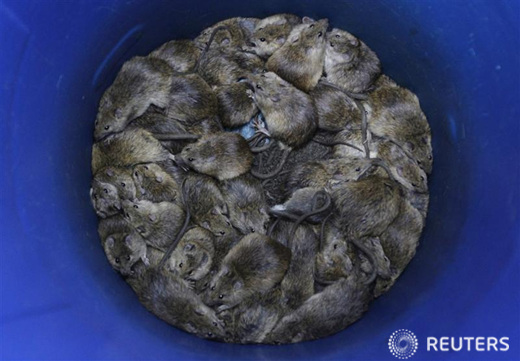
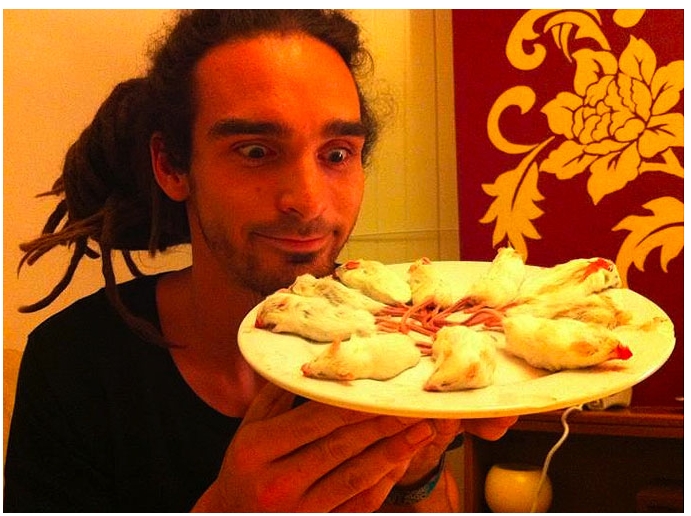
Cambodians living near the border with Vietnam have something to look forward to when the monsoon rains hit -- rats.
베트남과의 접경지대에 사는 캄보디아인들이 장맛비가 내릴 때면 기다리는 것이 있다. 바로 쥐.
It's a tasty and cheap, local delicacy and a lucrative business for rat catchers. The rats sell for about 2USD a kilo in Cambodia, but across the border they sell for more than double the price, at about 5USD.
쥐 사냥꾼들에게 있어 쥐는 맛있고 저렴한 지역 별미이며 수익성이 좋은 사업이다. 쥐는 캄보디아에서 1kg에 2달러(한화 약 2200원)에 거래된다. 하지만 국경을 지나면 그보다 2배 이상 많은 약 5달러(한화 약 5600원)에 팔린다.
According to villagers, tonnes of rats are caught in Cambodia in the fields of Kampong Cham and Kampong Thom provinces. Much of the catch is exported to Vietnam to feed a growing demand there.
마을 사람들에 따르면 캄보디아 캄퐁참 주(州)와 캄퐁톰 주(州)의 들판에서 쥐 수 톤(t)이 잡힌다. 그중 상당량은 쥐 고기에 대한 수요가 증가하고 있는 베트남으로 수출된다.
"There are a lot of rats and I imported about 4 tonnes per day earlier in the rice harvest season. Today, I do not get as many as usual because of the flooding and there are also a lot of fish too," said Yom Tiek, a Vietnamese buyer who has been in the rat business for 17 years.
[욤 티엑 / 베트남 쥐 고기 수입상]
“쥐가 정말 많습니다. 앞서 벼 수확 철에 하루 4t을 수입했어요. 오늘은 홍수 때문에 평소처럼 많이 사지는 못했어요. 생선들도 많고요.”
베트남인인 티엑 씨는 17년 째 쥐를 수입하는 일을 하고 있다.
The rats are grilled, roasted or made into pate for human consumption. Otherwise they are fed to crocodiles or fish in Vietnam.
쥐는 석쇠와 오븐에 굽거나 파테로 만들어 사람들에게 대접한다. 베트남에서는 악어나 물고기들의 먹이로도 쓰인다.
"The dead rats are sold in local market here and the live ones are exported to Vietnam. In Vietnam, people eat them and use some of them or their skins to feed the fish," added Yom Tiek.
[욤 티엑 / 베트남 쥐 고기 수입상]
“죽은 쥐들은 이곳(캄보디아) 시장에서 팔립니다. 살아 있는 쥐들은 베트남으로 수출됩니다. 베트남 사람들도 쥐 고기를 먹지만 일부 고기와 껍질은 물고기 먹이로도 쓰입니다.”
A taste for rat dishes is also growing in Cambodia. Villagers there say the best season for the rodent is the monsoon period after the rice harvest.
캄보디아에서도 쥐 요리에 대한 수요가 증가하고 있다. 마을 사람들은 벼 수확이 끝나고 찾아오는 장마철이 쥐 고기를 먹기 가장 좋은 시기라고 말한다.
"It is very good. It is not as bad as beef so people in this village eat them and I often buy and cook it for my children too," said 45-year-old villager Keo Noeun who lives in the Koh Thom district.
[커 노은 / 코 톰 지구에 사는 마을 주민(45)]
“정말 괜찮아요. 소고기처럼 나쁘지 않아서 이 마을에서는 쥐 고기를 먹어요. 저도 종종 쥐를 사서 아이들에게 요리해 줘요.”
"Rat meat is cheaper than other meat and it is more natural, no viruses, because rats eat only plants and plant roots. It is even more delicious because of the flood season and it is easier to catch as well," added another villagers Sim Nak, 45.
[심 낙 / 코 톰 지구에 사는 마을 주민(45)]
“쥐 고기는 다른 고기들보다 저렴하고 자연적이에요. 쥐들은 식물과 식물의 뿌리만 먹기 때문에 병균도 없죠. 장마철이라 더 맛있고 잡기도 더 쉬워요.”
Connoisseurs claim wild rats feast on grass in the lush fields during the monsoon, which produces a healthy and tasty meat.
쥐 전문가들은 야생 쥐들이 장마철에 초목이 무성한 들판에서 풀을 먹기 때문에 쥐 고기가 건강하고 맛이 좋다고 주장한다.
Villagers in the Koh Thom district say they avoid eating rats in the dry season fearing lean or sickly rats will pass on diseases they may carry to those who eat them.
코 톰 지구 마을 주민들은 마르고 아픈 쥐들이 혹시라도 쥐 고기를 먹는 사람에게 질병을 옮길까봐 건기에는 쥐를 먹지 않으려고 한다고 말한다.
번역=김수경
동아닷컴 기자
cvgrs@donga.com